


If you have been asking yourself, “What is HPV?” you are certainly not alone. The Human Papillomavirus is one of the most widespread viral families affecting individuals globally. In fact, medical statistics suggest that the vast majority of physically active adults will encounter at least one strain of this virus at some point in their lives.
The good news is that in most cases, the immune system manages the virus effectively without the person ever knowing they were a carrier. However, because certain strains are linked to long-term health complications – including specific types of cancers – understanding the science behind HPV is essential for modern health maintenance.
In this guide, we will explore the clinical nature of HPV, its transmission pathways, symptoms, and the breakthrough preventive measures that are saving lives today.
Table of Contents
What Exactly is HPV? (The Virological Breakdown)
HPV stands for Human Papillomavirus. It is not a single entity but a group of more than 200 related viruses. Scientists categorize these viruses based on the specific areas of the body they affect and the level of health risk they pose.
The Two Main Categories: Low-Risk vs. High-Risk
To understand the impact of HPV, we must look at how the medical community classifies its various strains:
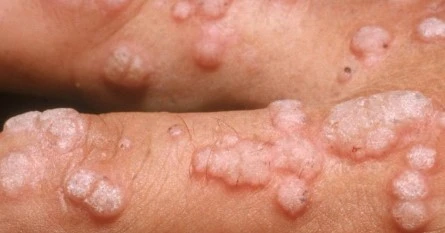
- Low-Risk HPV Strains: Strains such as HPV 6 and 11 fall into this category. While they can cause physical symptoms like benign skin growths (warts), they are not linked to cancer. They are considered a manageable dermatological concern rather than a long-term threat.
- High-Risk HPV Strains: Strains like HPV 16 and 18 are the primary focus of cancer prevention. These types can cause cellular changes over several years, which, if left unmonitored, may develop into more serious conditions.
Clinical Transmission: How Does HPV Spread?
One of the most significant misconceptions is how the virus moves from person to person. HPV is primarily transmitted through intimate skin-to-skin contact.
The Nature of Transmission
Unlike many other viruses, HPV does not require internal fluid exchange to spread. It lives in the epithelial cells (the top layer of the skin). Because the virus can remain asymptomatic (showing no symptoms) for years, a person can be a carrier without any visible signs.
- Asymptomatic Spread: Most transmission occurs when the carrier is unaware they have the virus.
- Persistent Nature: The virus can lie dormant in the body’s cells for long periods, meaning a diagnosis today could be the result of an exposure that happened years ago.
It is important to emphasize that an HPV diagnosis is a medical reality of being a physically active adult and should not carry social stigma. It is a biological occurrence that requires medical awareness, not judgment.
Symptoms and Early Indicators
For the majority of the population, an HPV infection has zero symptoms. The body’s internal defenses typically clear the virus within 12 to 24 months. However, when the virus persists, symptoms may manifest in the following ways:
1. Visible Skin Growths (Warts)
Low-risk strains often manifest as small, fleshy bumps. These can appear individually or in clusters. While they are usually painless, they can cause localized itching or irritation.
2. Silent Cellular Changes
For high-risk strains, there are no outward symptoms. This is why regular medical screenings are vital. In women, these changes are often detected during routine Pap Smears or specialized HPV DNA tests, which look for the presence of the virus at the molecular level.
HPV in Women: Monitoring and Prevention
In the medical world, HPV in women has received significant attention due to its strong correlation with cervical health.
The Link to Cervical Health
High-risk HPV is the primary cause of cellular abnormalities in the cervix. However, it is important to remember that having the virus does not mean a person has cancer. It simply means that the cells need to be monitored more closely.
Routine Screenings
Modern medicine offers two primary tools for women:
- The Pap Test: Checks for physical changes in the cells.
- The HPV Test: Checks for the presence of the high-risk viral DNA itself.
By combining these tests, healthcare providers can identify risks years before they become problematic, allowing for early and highly effective intervention.
HPV in Men: Challenges and Awareness
While there is no routine “HPV test” for men currently approved by health organizations, the virus still plays a role in male health.
Clinical Presentation in Men
In men, the most common symptom is the appearance of benign growths in the pelvic region. While high-risk strains can occasionally lead to other health complications, these instances are statistically rare.
The Role of Men in Prevention
Because there is no standard screening for men, the primary focus is on vaccination and physical barriers (such as condoms). While condoms do not provide 100% protection – since the virus lives on skin not always covered by the barrier – they significantly reduce the rate of transmission.
Treatment and Medical Management
It is critical to clarify that, currently, there is no medical cure for the HPV virus itself. There is no “antibiotic” or “antiviral” that can be taken to wipe it out. Instead, medical treatment focuses on the consequences of the virus.
Treatment Options for Symptoms:
- Cryotherapy: Using liquid nitrogen to freeze and remove physical growths.
- Topical Prescriptions: Specialized creams that stimulate the local immune response to clear visible lesions.
- Surgical Intervention: For more persistent cases, minor procedures can remove affected tissue.
The most effective “treatment” is actually the body’s own immune system. Maintaining a healthy lifestyle – including a balanced diet, adequate sleep, and managing environmental health factors – assists the body in suppressing the virus naturally.
The Breakthrough: The HPV Vaccine
The development of the HPV vaccine (often known by the brand name Gardasil 9) is one of the greatest triumphs of modern preventative medicine.
How the Vaccine Works
The vaccine uses a “virus-like particle” to train the immune system. It contains no actual viral DNA, so it cannot cause the infection. Instead, it teaches the body to recognize the “shell” of the most dangerous HPV strains (such as 16, 18, 6, and 11).
Recommended Timing
Health organizations like the CDC and WHO recommend vaccination at age 11 or 12, but it is now approved for adults up to age 45. The goal is to provide protection before the individual is ever exposed to the virus.
Frequently Asked Questions (FAQ)
1. If I have HPV, does it mean my partner was unfaithful? Not necessarily. HPV can remain dormant in the body for many years. A person could have contracted the virus a decade ago and only see symptoms or a positive test result today.
2. Can the virus come back after it is cleared? In most people, once the immune system clears the virus, it becomes undetectable. However, it is possible for the virus to remain in a “latent” (sleeping) state. Continued health monitoring is always recommended.
3. Does the HPV vaccine protect against all STIs? No. The vaccine is specifically designed only for the Human Papillomavirus. It does not protect against other infections like HIV, Syphilis, or Chlamydia.
4. Are HPV and HIV the same thing? No. They are completely different viruses. HPV is the Human Papillomavirus (linked to skin growths and cervical health), while HIV is the Human Immunodeficiency Virus (which affects the immune system directly).
Conclusion: Knowledge is the Best Protection
Understanding HPV is a vital part of taking charge of your long-term health. While the prevalence of the virus may seem overwhelming, the combination of natural immune strength, regular medical screenings, and modern vaccination makes it a highly manageable part of life.
What is your next step? If you are within the recommended age range, talk to your healthcare provider about the HPV vaccine. If you are a woman, ensure your routine screenings are up to date.
We want to hear from you! Do you have questions about how to talk to your doctor about HPV? Leave a comment below or share this article with someone who might find this medical breakdown helpful.
For more detailed guides on modern healthcare and wellness, visit our Health Resource Center at wwhatis.com.
